Celebrating Manitoba’s International Medical Graduates

By Katiana Krawchenko
Like all provinces in Canada, Manitoba is home to many International Medical Graduates (IMGs). In fact, 35% of physicians in Manitoba completed their medical training in another country. Manitoba has had a serious physician shortage – one of the biggest in Canada – and IMGs are playing a key role in closing the gap. Last year, IMGs made up 54% of all new physicians licensed to practice in the province.1
Manitoba is home to over 3,500 physicians today, trained here and in more than 100 countries around the world. Diverse professional and personal attributes are a vital part of providing excellent medical care to patients across the province, ensuring all patients can access high quality and culturally safe medical care.
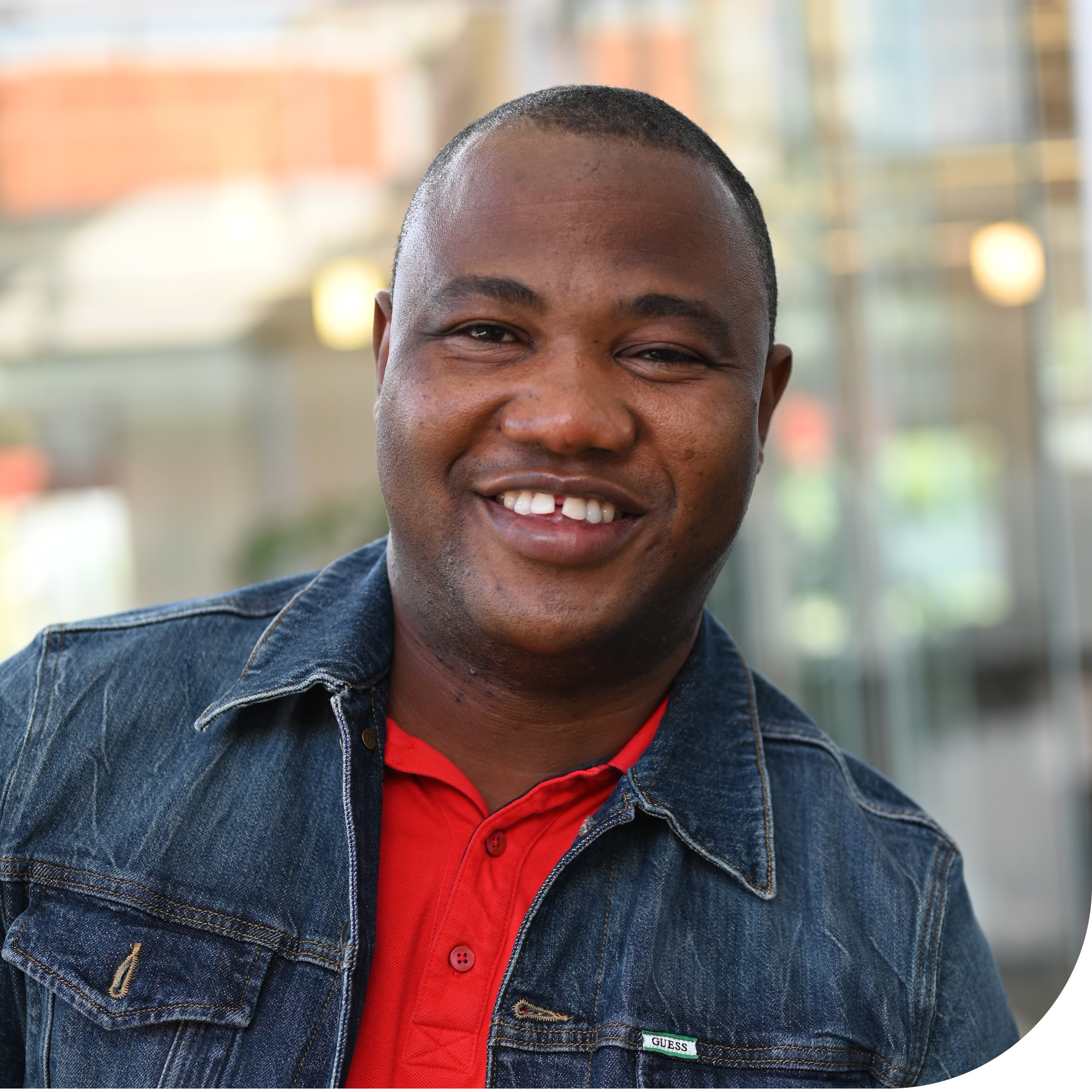
Dr. Chukwuma Abara, Northern Health Region’s Associate Chief Medical Officer and RHA Bed Doctor, is from Nigeria, where he received his medical training and became a family physician. He first arrived in Winnipeg in 2012, following his uncle who had already made Manitoba home.
“I’ll say, my experience in Manitoba has been nothing but positive,” said Dr. Abara. “I see a lot of collaboration among our peers, which fosters great camaraderie, and which translates to wellness and excellence of the physician workforce in Manitoba.”
Dr. Abara’s infectious enthusiasm about practicing in Manitoba has resulted in five of his medical school friends from Nigeria following him to the province.
“I tell them I stayed in Manitoba because I thought Manitoba had a place for me and my family, both professionally and personally,” Dr. Abara explained. “And by that I mean, I did not just fit in, but I feel I belong.”
That’s a sentiment shared by Dr. Dipeeka Kumari, who recently joined C.W. Wiebe Medical Centre in Winkler after graduating from the Medical Licensure Program for International Medical Graduates. Previously, she worked as a clinical assistant while obtaining her license requirements.
Dr. Kumari is from rural Pakistan where she worked as a generalist in family practice along with managing a labour floor. Working with experienced midwives and community leaders, she said, helped shape her perspective that working for smaller community is very rewarding.
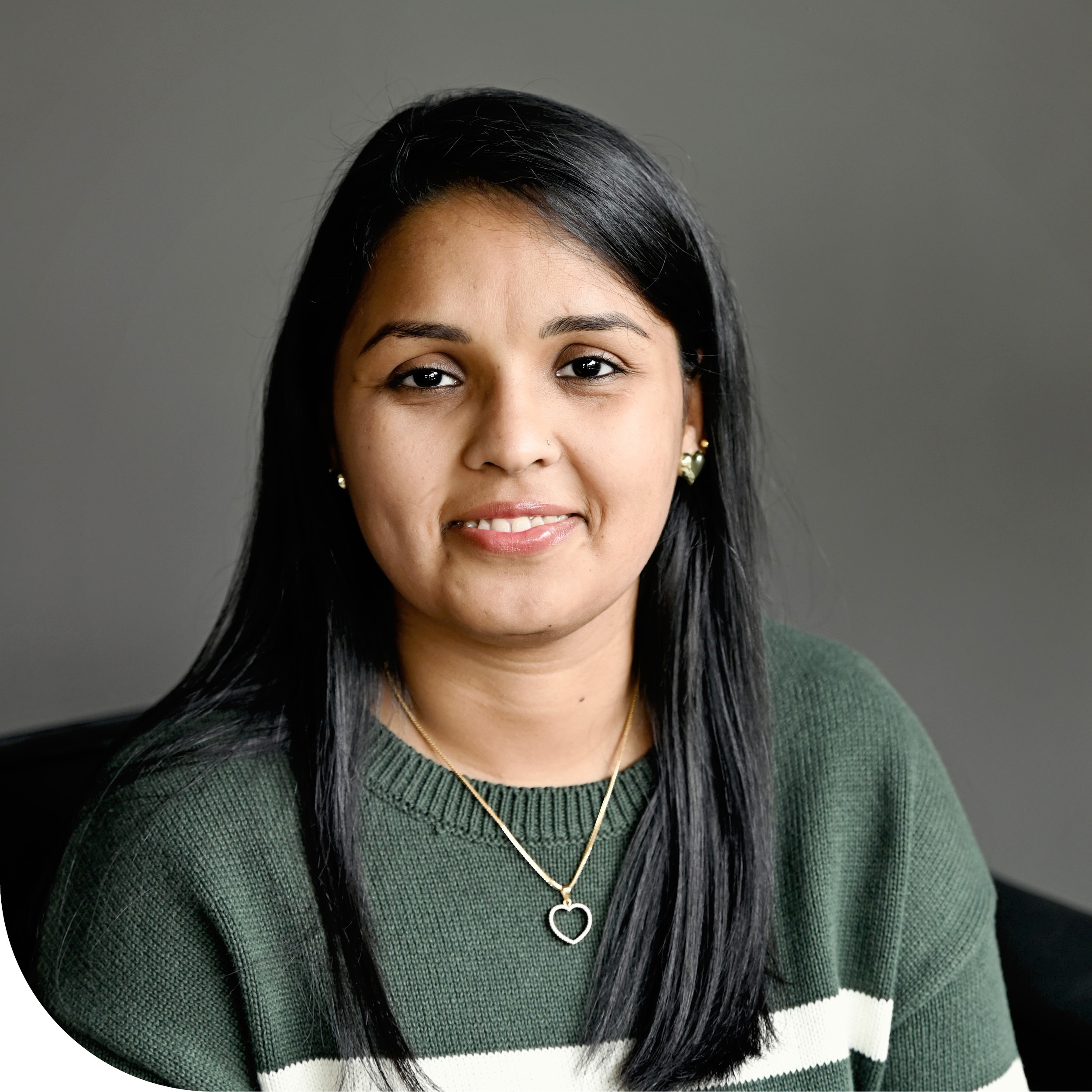
Dr. Kumari once found herself delivering a baby in a village where it is not uncommon to have power outages that last 20 hours a day.
“You try to do all the stuff that needs light before sunset,” she explained. “There is no power, so you just rely on candles and things like that.”
Dr. Kumari recalled a particularly challenging experience that she says gave her some of the best medical education she could have asked for.
“We were in the middle of the C‑section during my training,” she said. “We ended up taking the baby out and right as we were taking the placenta out there was a power outage.”
The patient remained stable, but after 10 to 15 minutes the generator failed to turn on and the rest of the procedure happened by candlelight.
“People do candle-lit dinner. We had a candle-lit C‑section,” she recalled with a smile.
Unwavering in her commitment to her education and her patients, Dr. Kumari ultimately made her way to Canada, ever-grateful for her home country of Pakistan and for her new home upon which she and her family have settled. She describes her journey in Canada as an adventurous one, with tremendous opportunity to advance her skills in clinical work, leadership and advocacy.
“Anybody who has asked me what to do, I say, come to Manitoba,” she explained. “I feel confident that you will definitely get an opportunity if you are hard-working, competent and would like to be a part of Manitoba’s health care system. There is no shortage of work. You just have to find it.”
Enhancing the Patient Experience
Manitoba’s population has always been diverse. Today, one in five residents were born outside of Canada. A health workforce that reflects the diversity of the population it serves is important on many levels.
That’s a crucial part of why having International Medical Graduates is so important, said Dr. Jayesh Daya, Grace Hospital’s Anesthesia Site Lead, Associate Professor at University of Manitoba’s Department of Anesthesia and Perioperative and Pain Medicine, and Doctors Manitoba Board Director who arrived from South Africa in 2009.
He has a profound appreciation for the support he’s received from colleagues, friends and loved ones in Manitoba and notes how enriched the health system is by so many different perspectives working to make it a better one. There’s the science of medicine and then there’s the art of medicine,” he noted.
“Physicians from other parts of the world come with many, many soft skills that make for a richer health care environment,” he explained. “For example, coming with being innately aware of what microaggressions or, being aware that there is systemic racism within health care, not just in North America, but around the world. So having experienced that within South Africa makes one intrinsically and inherently aware of these things.”
Growing up in an apartheid in South Africa, Dr. Daya notes he has been on the receiving end of racism as a person of colour, which has made him acutely aware of and sensitive to how both race and socioeconomic factors are determinants of health outcomes.
“It’s made me aware of racial, cultural, religious biases to challenge,” he explained. “First, it’s made me aware of my own, and then in terms of treating patients it’s made me aware of not defaulting to racial, cultural, gender stereotypes and to treat each patient as an individual with their own medical challenges and their own medical journey.”
That’s something Dr. Abara agrees with, saying he wants to change within Manitoba’s health care system.
“Black and Indigenous people are waiting longer so I want to see a time when people go to the ER where they are not waiting longer because of their personal attributes but they have access to equitable care irrespective of where they are, who they are in Manitoba.”
To get to that place is not an easy task, he explained, but an important one that appears to be on the right track.
“We need to keep going in that direction — add more physicians, and then with that, more people can be connected to primary care providers,” he explained, “And then this will be physicians from all cultures — internationally trained graduates, Canadian graduates — whatever we can do to bring in more and keep them in Manitoba, I think we need to do that.”
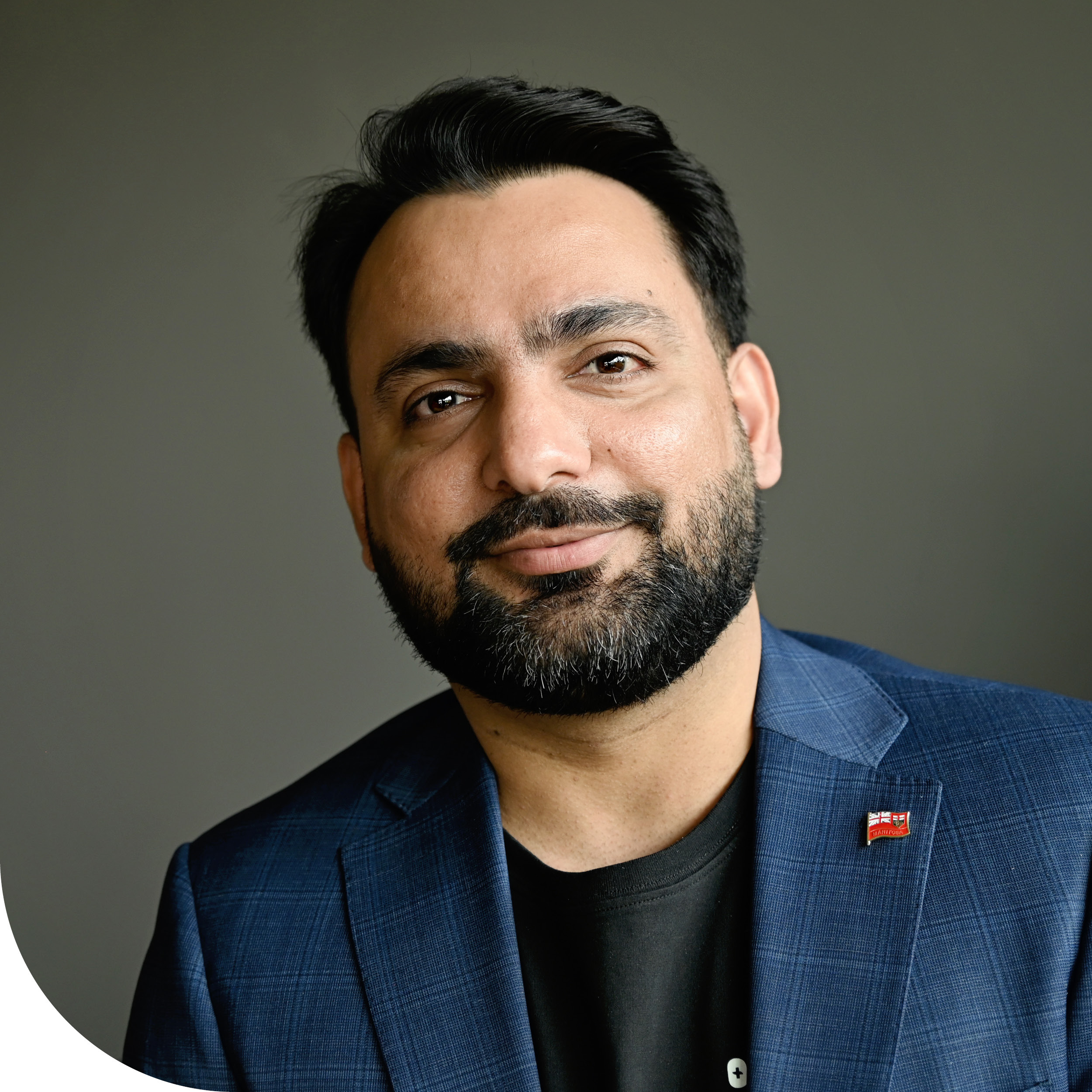
Dr. Raheel Panhwar, who practices at Ashern Medical Clinic in Interlake-Eastern Regional Health Authority, agrees with this sentiment.
“That’s very true — we have a diverse population and our health care force should represent our demographics,” he said, noting the deep impact that has on patients. “I had worked at clinics where a good majority of patients were from the home country of where the physician was from. And that’s good that they get the care that they expect in their own language.”
How Doctors Manitoba Helps IMGs
“Ten years ago, I didn’t know Manitoba existed,” Dr. Panhwar explained, and after landing in Manitoba in 2017 has attributed much of his success in the province to the support he has received from his mentors and colleagues.
“I just want to offer advice for the potential new foreign trained physicians that are choosing our province,” he said. “One, thank you for coming here. Two, find a mentor. I was fortunate that I had excellent mentors who I could rely on, who I could count on and ask for help.”
Doctors Manitoba’s mentorship program is one of several key programs to support International Medical Graduates and other new and current physicians.
Dr. Panhwar says he has nothing but gratitude for a community that’s always willing to lend a hand.
“I work with a great group of people and the patients are appreciative. I’m very happy and excited to be able to contribute to a province that has given me everything that I could have asked for.”
1. 2024 – 25 Annual Report: A Year of Transition and Progress — The College of Physicians & Surgeons of Manitoba. https://cpsm.mb.ca/news/2024 – 2….